



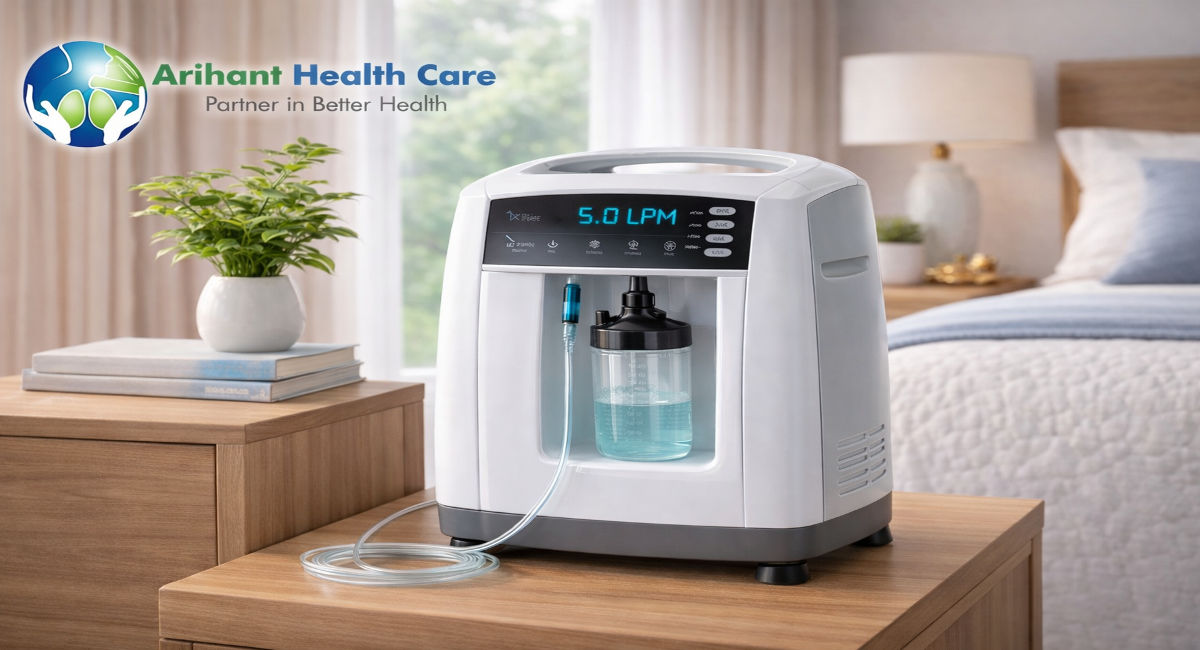
With the rise in continual respiration conditions, post-COVID headaches, and home-based hospital treatment, the demand for an oxygen concentrator for home use has increased appreciably. Patients and caregivers are not asking whether oxygen remedy is wanted — they’re asking how much oxygen is surely required.
One of the most common and vital purchaser questions nowadays is:
Should I pick out a 5 LPM or 10 LPM oxygen concentrator?
Choosing the wrong glide charge can cause useless remedies, pointless prices, or frequent gadget improvements. This guide explains oxygen concentrator LPM requirements, the distinction between 5 LPM vs 10 LPM oxygen concentrators, and how to make the proper selection primarily based on clinical and sensible desires.
What Does LPM Mean in an Oxygen Concentrator?
LPM stands for Liters Per Minute, which refers to the amount of oxygen the concentrator can deliver in a single minute. It immediately determines how much oxygen support an affected person gets.
For domestic oxygen therapy, maximum prescriptions fall inside a specific LPM range. Understanding this wide variety is important because higher LPM does not always suggest better. The accurate float fee relies upon the patient’s oxygen saturation levels, diagnosis, and utilization length.
Modern oxygen concentrators are designed to deliver constant oxygen purity whilst keeping secure glide limits for domestic use.
Why Oxygen Flow Rate Matters for Home Use?
An oxygen concentrator for home use ought to balance scientific effectiveness, safety, and comfort. If the LPM is too low, the patient won’t acquire enough oxygen. If it’s unnecessarily high, it could result in discomfort, dryness, expanded strength usage, and higher costs.
From a supplier attitude, LPM choice is also one of the largest reasons for put-up-buy dissatisfaction. Patients regularly upgrade machines within months because they were not well guided initially. This is why understanding LPM desires before shopping for it is crucial.
Understanding a five LPM Oxygen Concentrator
A five LPM oxygen concentrator is the most commonly prescribed and broadly used alternative for domestic oxygen therapy.
It is suitable for sufferers who require low to mild oxygen, go with the flow, and is often advocated for:
- COPD patients with stable oxygen needs
- Elderly sufferers requiring long-term oxygen assistance
- Post-health center restoration sufferers
- Sleep-associated oxygen therapy
- Home use with a nasal cannula
In maximum home-care eventualities, a 5 LPM concentrator is enough, electricity-efficient, quieter, and less complicated to maintain. This makes it the favored first desire for long-term domestic use.
When is a ten LPM Oxygen Concentrator Required?
A 10 LPM oxygen concentrator provides higher oxygen glide and is designed for patients with advanced or excessive-wait oxygen requirements.
It is commonly endorsed for:
- Severe respiration situations
- High oxygen call for sufferers
- Oxygen therapy with BiPAP or a ventilator guide
- ICU-stage domestic care setups
- Patients whose oxygen saturation drops extensively, even at 5 LPM
Because of its higher capacity, a ten LPM concentrator is larger, consumes extra electricity, and is generally counseled only when medically vital.
Oxygen Concentrator five LPM vs 10 LPM: Key Differences
The distinction between oxygen concentrator 5 LPM vs 10 LPM isn’t always just a float charge. It also influences usability, cost, and long-term care planning.
A 5 LPM concentrator is good for non-stop, ordinary domestic use, whilst a 10 LPM gadget is often used for extra essential or brief-term high-drift needs. Many patients mistakenly buy a ten LPM concentrator, assuming it’s far “destiny-proof,” however, this frequently ends in needless fees and operational complexity.
Medical steering should always decide the waft charge, no longer assumptions.
How do Doctors Decide the Right LPM for You?
Doctors determine oxygen requirements based on:
- Oxygen saturation (SpO₂) tiers
- Arterial blood fuel consequences
- Underlying breathing situation
- Resting vs exertion oxygen needs
- Sleep-time oxygen drops
In many instances, sufferers undergo oxygen titration testing to pick out the minimum effective LPM required to maintain safe oxygen levels. This ensures the highest quality therapy without overdependence on high-flow oxygen.
Latest Trends in Home Oxygen Therapy (2026)
In 2026, home oxygen therapy will have become more customized and data-driven. Pulse oximeter monitoring, telemonitoring, and AI-assisted respiratory care are supporting doctors’ great-music oxygen prescriptions.
Another developing fashion is the aggregate of oxygen concentrators with CPAP or BiPAP machines for patients with sleep apnea and respiratory overlap syndrome. In such instances, oxygen flow requirements may additionally vary between daylight hours and midnight.
This makes professional steering and supplier sessions more crucial than ever.
Oxygen Concentrator Buying Guide for Home Use
When selecting an oxygen concentrator for home use, LPM is a part of the selection. A whole oxygen concentrator buying guide must take into account:
- Prescribed oxygen float charge
- Continuous vs pulse glide
- Noise degree for home consolation
- Power consumption
- Backup help and servicing
- Rental vs purchase options
- Compatibility with BiPAP or CPAP machines
Suppliers who provide pre-set up evaluation and submit sales aid significantly reduce therapy failure and gadget returns.
Common Mistakes Buyers Make
One of the most commonplace errors is selecting a better LPM concentrator “simply in case.” Another mistake is ignoring oxygen purity consistency at better drift quotes.
Patients additionally underestimate the significance of preservation, filter out cleaning, and proper utilization training. These elements, without delay, affect oxygen delivery and system lifespan.
A dependable provider plays a key role in teaching sufferers and caregivers about correct usage.
Oxygen Concentrator for Home Use: Final Recommendation
For the majority of domestic oxygen users, a 5 LPM oxygen concentrator is enough, powerful, and free. A 10 LPM concentrator should be decided on, whilst medically prescribed for better oxygen demand or advanced respiratory care.
The right desire improves oxygen therapy outcomes, reduces charges, and complements quality of life. When unsure, usually seek advice from a certified clinical professional or an experienced home oxygen supplier.